Why Scarifying and Overfeeding Your Lawn in September Brings Back the Green. Get help in Ashford, Hythe, Folkestone from the Gardening Guys.
A tired lawn can look beyond saving by the end of summer. Brown patches, matted thatch, thin grass, mossy corners and dusty soil all make the garden feel worn out.
Then September arrives. The rain returns, the heat eases, and the garden starts to green up almost overnight. That is exactly why this is one of the best moments of the year to scarify the lawn and give it a proper autumn feed.
Scarifying clears away the dead, choking material sitting at the base of the grass. Feeding afterwards gives the lawn the strength to recover. Done at the right time, the two jobs work together: first you open the lawn up, then you help fresh green growth fill the space.

September gives the lawn ideal recovery conditions
Scarifying is a little rough on the lawn. It has to be. The whole point is to rake or machine out thatch, moss and dead grass from the surface so the living grass can breathe again.
Do it in the wrong conditions and the lawn can struggle. Do it in September and the odds are far better.
By early autumn, the worst summer stress has usually passed. The soil is still warm from the previous months, which helps grass seed germinate and roots grow. At the same time, cooler days reduce water stress. Regular rain also means the lawn is less likely to dry out after the work.
That combination matters.
Grass needs warmth, air, moisture and light to thicken. September often offers all four. The lawn is still actively growing, but it is no longer fighting the harshest heat of the year. That makes recovery quicker and more reliable than scarifying during a dry spell in July or waiting until deep autumn when growth slows down.
There is also a practical benefit. After summer, many lawns carry a layer of tired, dead growth. Some of it comes from drought stress. Some comes from old grass clippings. Some comes from moss that has crept in during damp periods. Once the rain returns, the grass wants to grow, but that matted layer can hold it back.
Scarifying clears the way just as the lawn is ready to respond.
What scarifying actually removes from the lawn
A lawn may look green from a distance while still struggling at soil level. Bend down and part the grass, and the problem is easier to see.
You may find a spongy layer of brown material sitting between the green blades and the soil. This is usually made up of:
Dead grass stems
Old clippings
Moss
Creeping weeds
Surface debris
Thatch built up over time
A small amount of organic matter is normal. Too much becomes a barrier.
When thatch builds up, water struggles to reach the root zone. Air flow drops. Nutrients sit near the surface instead of reaching the soil. New grass shoots find it harder to push through. Moss and shallow-rooted weeds often enjoy those conditions more than lawn grass does.
Scarifying pulls out that unwanted layer. The lawn may look worse for a short time, especially if there is a lot of moss or dead grass to remove. That can be alarming, but it is usually a good sign. The brown material was already there. Scarifying simply brings it to the surface and gets it out of the way.
Think of it as clearing a blocked drain. The first result looks messy, but the system works better afterwards.
Once the dead layer has gone, the lawn can take in rain more easily. Light reaches lower growth. Air reaches the base of the plants. Any seed or feed applied afterwards has a better chance of making contact with the soil, which is where it needs to be.

Why feeding after scarifying brings back the green
The word “overfeeding” can sound like throwing too much fertiliser at a tired lawn. That is not the aim. Too much lawn feed can scorch grass, encourage weak growth, or wash away in heavy rain.
In this context, overfeeding means giving the lawn extra support after scarifying, with the right autumn lawn feed at the correct rate. It is about feeding well, not feeding carelessly.
Scarifying removes old material, but it also puts the lawn under short-term stress. The grass has been tugged, opened up and exposed. Feeding afterwards helps it recover by giving the roots and shoots the nutrients they need to rebuild.
A good autumn lawn feed usually focuses less on soft, fast top growth and more on root strength and general resilience. That is what the lawn needs going into the colder months. A strong root system supports better colour, thicker growth and improved recovery when spring arrives.
For best results, feed when the lawn is damp but not waterlogged. If rain is due within a day or so, that can help the feed wash in. If the weather is dry, water it in according to the product instructions.
The key is contact. After scarifying, there is less thatch blocking the way, so feed can reach the soil more easily. The lawn is then in a much better position to use it.
This is why scarifying and overfeeding your lawn in September can make such a visible difference. Scarifying opens the lawn up. Feeding helps the grass fill back in with stronger, greener growth.
The best order for a September lawn refresh
A good result comes from doing the jobs in the right order. Rushing straight in with feed before removing thatch often wastes effort. The feed may sit on debris rather than reaching the grass roots.
A simple autumn lawn refresh looks like this.
Mow the lawn first
Cut the grass a little shorter than usual before scarifying. Do not scalp it. The aim is to make it easier for the rake or scarifier to reach the thatch layer.
If the grass is long, the machine or rake will drag through the top growth instead of working properly at the base.
Scarify when the lawn is slightly damp
A lawn that is bone dry can tear too much. A lawn that is soaking wet can turn muddy and messy. The best condition is slightly damp, with the soil moist but not soft underfoot.
Work in one direction first. If the lawn has heavy thatch or moss, make a second pass at a slight angle. For a light annual tidy, one pass may be enough.
Hand scarifiers suit small lawns. Powered scarifiers save time on larger lawns and can remove a surprising amount of material.
Clear away the debris
This step matters more than people think. Leaving the pulled-out thatch on the surface defeats the purpose of the job.
Rake it up thoroughly and compost it if suitable. If there is a lot of moss and weed material, check whether it is best kept out of your compost heap, especially if seed heads are present.
Once cleared, the lawn may look thin. That is normal. Thin patches are often the places where dead material was hiding the lack of healthy grass.
Overseed bare or thin areas
If scarifying exposes bare patches, add grass seed before feeding, or follow the sequence recommended on the products being used. Choose a seed mix that suits the lawn.
For example:
A hard-wearing family lawn may need a durable ryegrass mix.
A shaded lawn may need seed suited to lower light.
A fine ornamental lawn may need a finer grass blend.
For seed to work well, it needs contact with soil. Lightly rake it in, then firm it down with your feet or the back of a rake. Keep the area moist while it germinates.
Feed with an autumn lawn product
Apply the feed evenly and follow the label carefully. More is not better. Too much feed can damage the grass and create patchy colour.
Use a spreader if possible, especially on medium or large lawns. It gives a more even finish than scattering by hand. If feeding by hand, split the dose and apply half in one direction, then half at right angles.

What to expect after scarifying and feeding
The lawn will not look perfect the next morning. In many cases, it will look worse before it looks better.
That is part of the process.
After scarifying, the surface can look ragged. Brown patches may appear where moss or dead thatch used to be. You may see soil in places. This can feel like damage, but it is often the first stage of recovery.
With moisture, mild temperatures and a proper feed, the grass should start to respond. Existing grass plants will produce new shoots. Seeded areas will begin to fill, provided they stay moist and are not disturbed. The overall colour should improve as the lawn takes up nutrients and fresh growth develops.
Avoid heavy use while the lawn recovers. Children, pets, football games and garden furniture can all slow progress on newly opened or seeded areas. Light foot traffic is usually fine once the lawn has settled, but give thin patches a chance to knit together.
Mowing should also be gentle at first. Wait until new growth is established and the grass needs a cut. Set the mower higher than usual and remove only a small amount. A sharp blade gives a cleaner cut and reduces stress.
One of the best signs of success is not just a greener lawn, but a denser one. Thick grass leaves less space for moss and weeds to creep back in. That makes autumn scarifying a useful job now and a helpful investment for next year.
Common mistakes that slow lawn recovery
September is forgiving, but the basics still matter. A few simple mistakes can undo the benefit of scarifying and feeding.
Scarifying too aggressively
If the lawn has not been scarified for years, it may need firm treatment. Even so, avoid ripping into the soil more than necessary. The goal is to remove thatch and moss, not plough the lawn.
Feeding at the wrong rate
Always follow the product instructions. Over-applying feed is one of the quickest ways to scorch grass or create uneven colour. A measured, even feed works better than a heavy hand.
Ignoring the weather
Scarifying just before a hot, dry spell makes recovery harder. September rain is helpful, but heavy downpours can wash seed or feed into low spots. Aim for mild, settled weather if possible.
Leaving bare patches alone
Bare soil invites weeds and moss. If scarifying reveals gaps, overseed them. Fresh grass is the best long-term cover.
Cutting too short afterwards
A close cut can weaken grass that is trying to recover. Keep the mower higher for the first few cuts after scarifying.
A greener lawn starts with clearing the way
A lawn does not lose its colour only because it needs food. Often, it loses colour because the living grass is buried under dead material, moss and compacted surface growth. Feeding alone may help a little, but it cannot fully fix a blocked, thatchy lawn.
Scarifying deals with the blockage. Autumn feeding supports the recovery. September gives both jobs the conditions they need: warm soil, cooler air and returning rain.
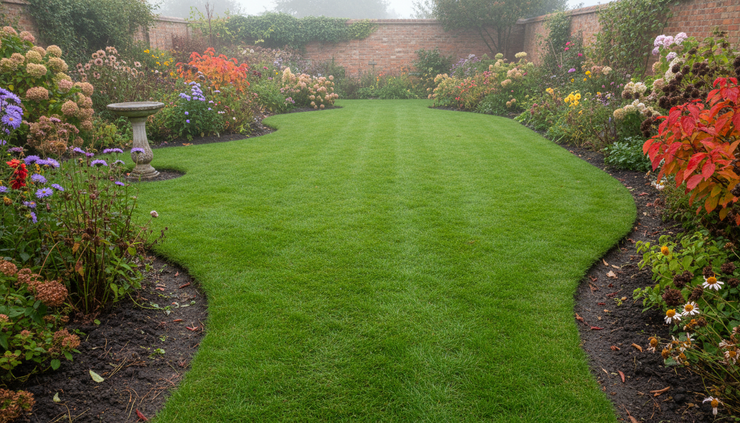
If the garden has greened up after rain, take it as a sign. The lawn is ready to grow again. Clear out the dead grass, feed it properly, keep it moist, and give the new shoots room to thicken.
September is not just a tidy-up month. It is the moment to help the lawn recover from summer and go into winter stronger, greener and healthier.


Comments